
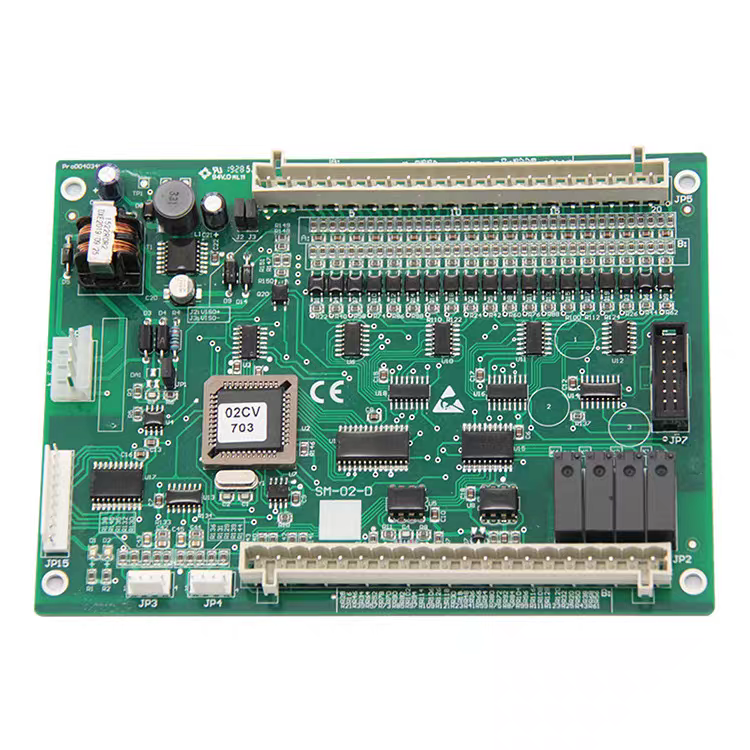
Wholesale Elevator PCB Suppliers – Quality Components for Your Needs
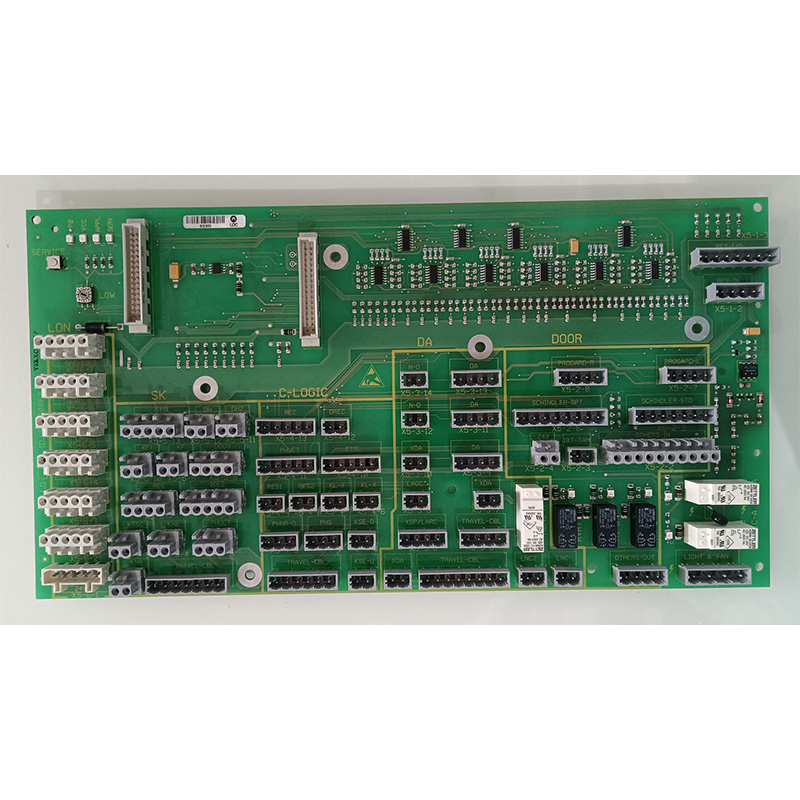
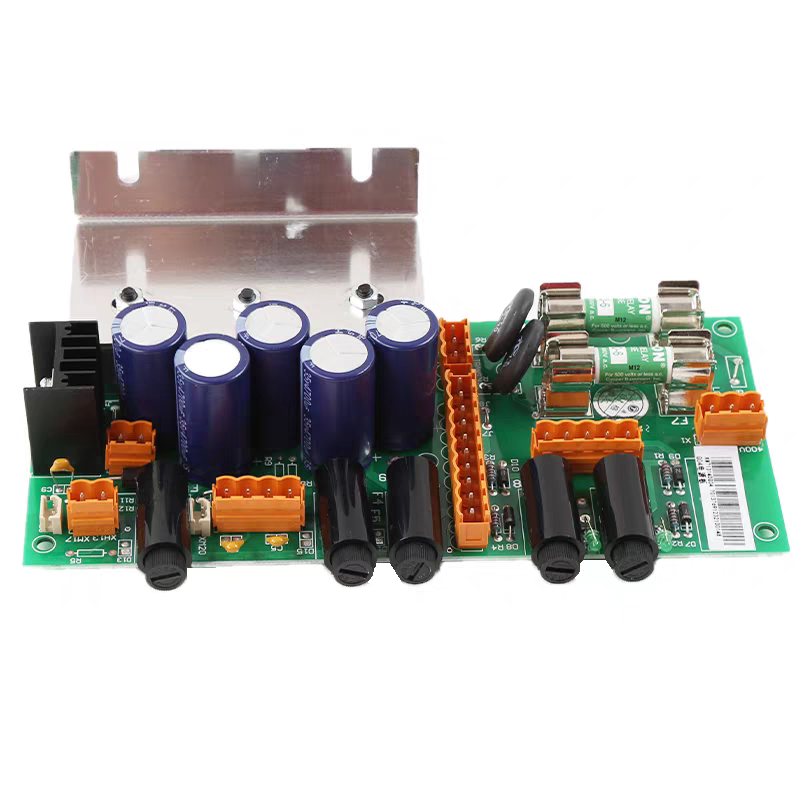
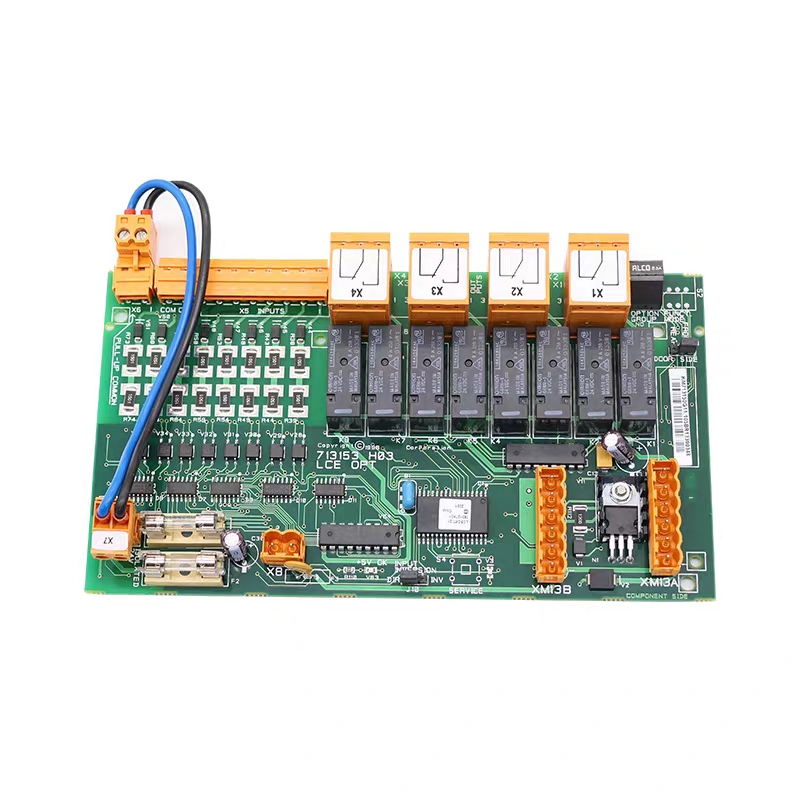
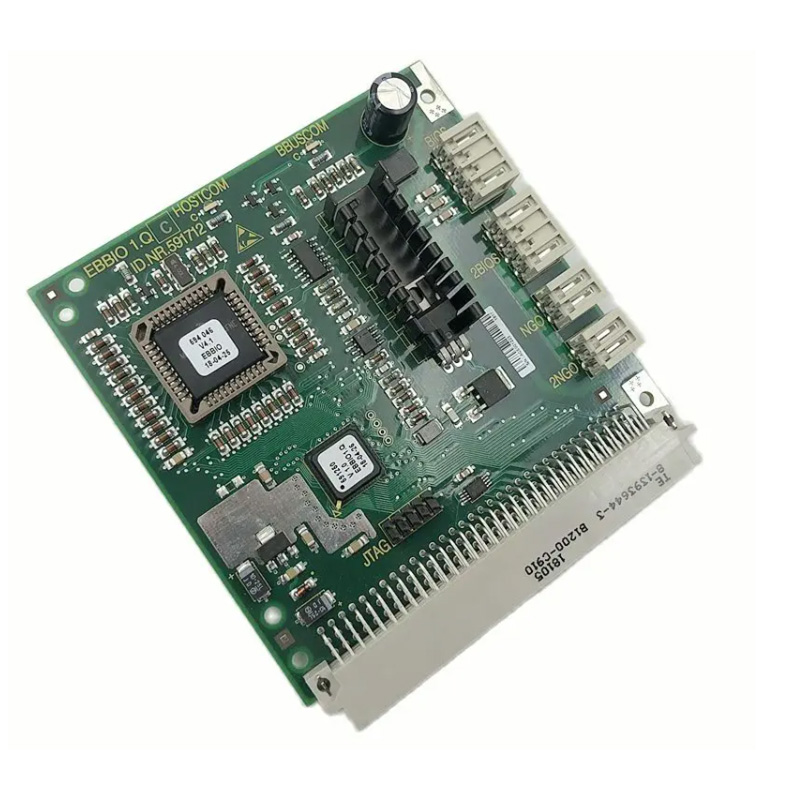
When I'm sourcing high-quality elevator PCB, I always prioritize reliability and performance. That’s why I turn to trusted wholesale suppliers that understand the demands of the elevator industry. Our elevator PCBs are designed to meet rigorous safety and efficiency standards, ensuring smooth and safe operations. I value the relationships with suppliers who offer customizable solutions tailored to my specific needs. The durability of these PCBs means less downtime and maintenance for my projects, which is a huge plus when managing a busy work schedule. Working closely with suppliers allows me to access the latest technology and innovations in elevator circuitry. It’s all about building partnerships that enhance my business's reputation and effectiveness. If you're in the market for reliable elevator PCBs, connecting with reputable wholesalers can make all the difference for your projects. My experience says quality components lead to satisfied clients and lasting success.
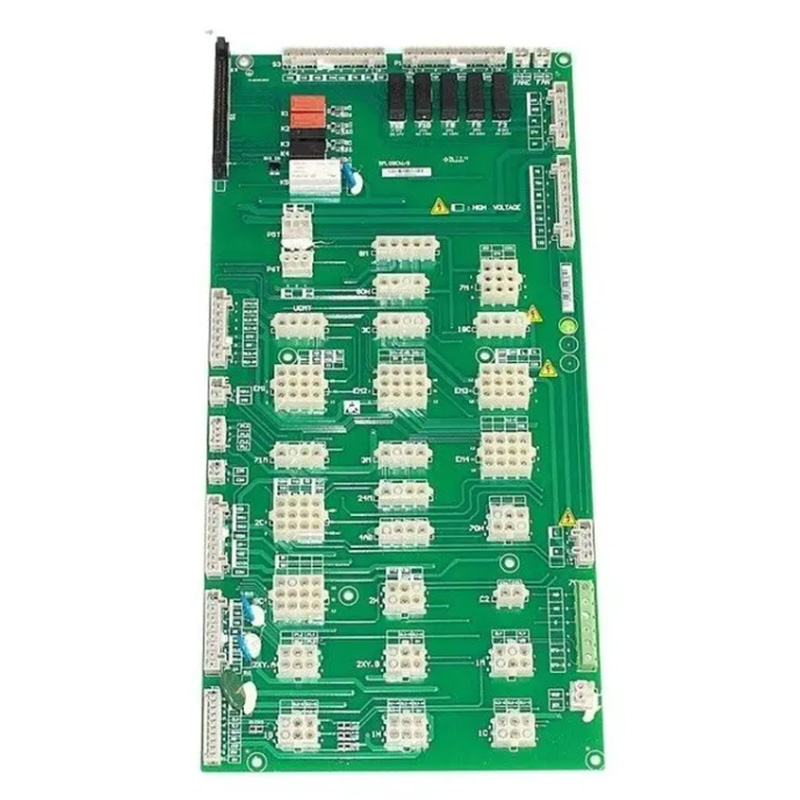
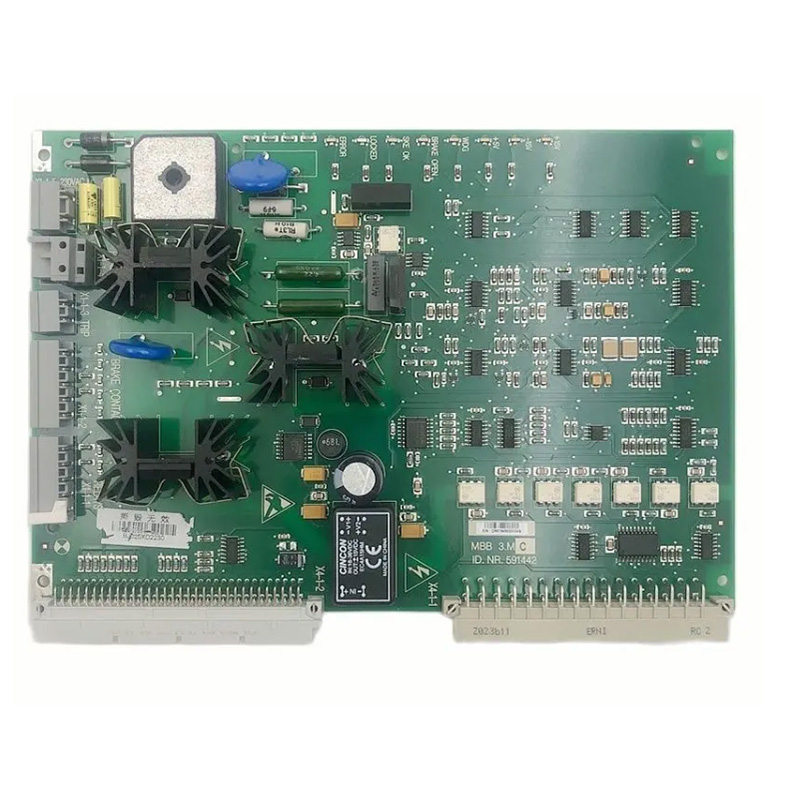
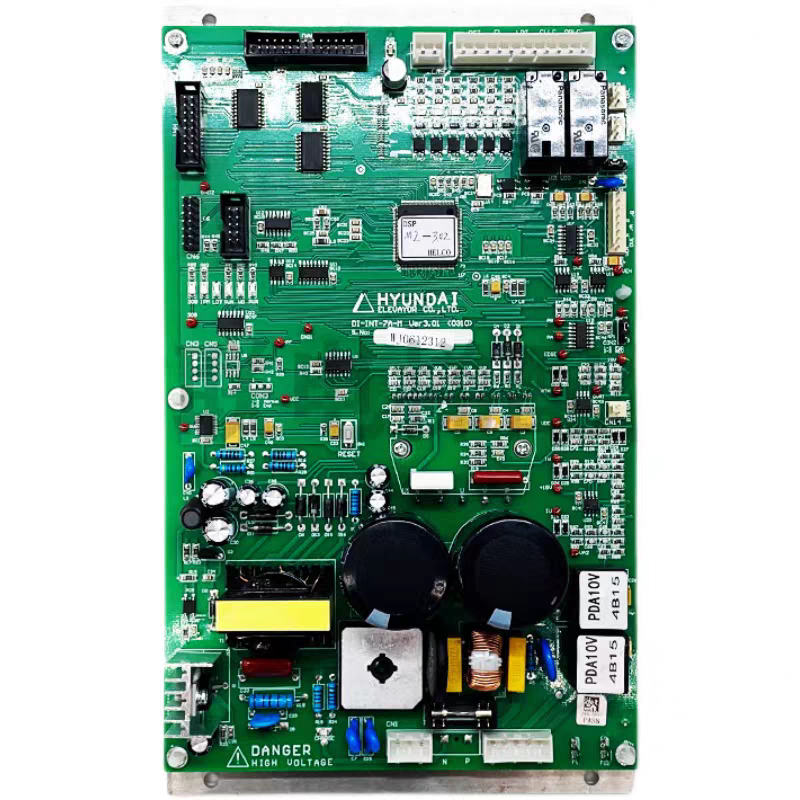
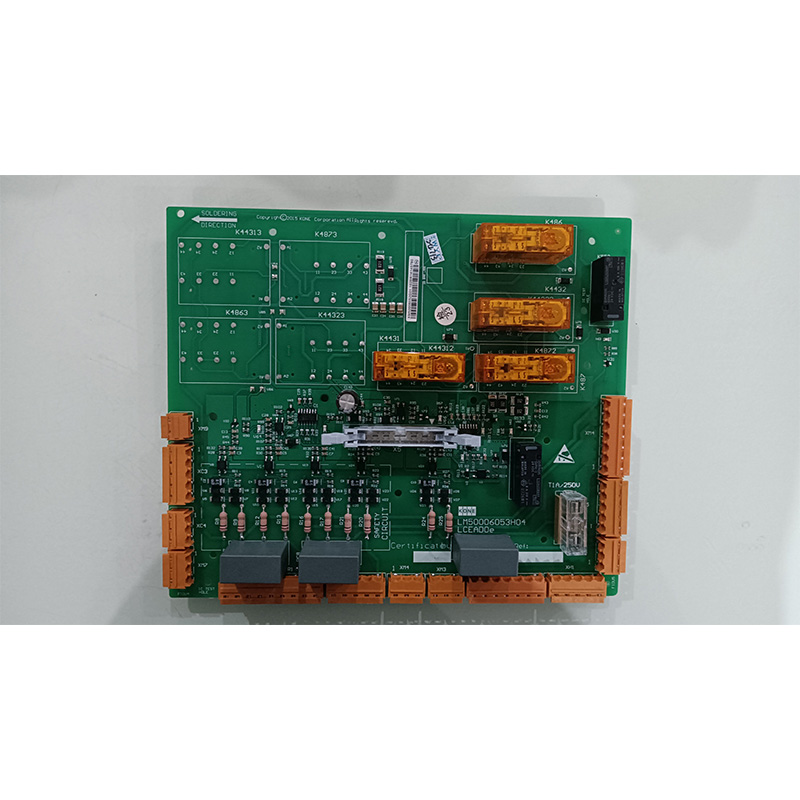
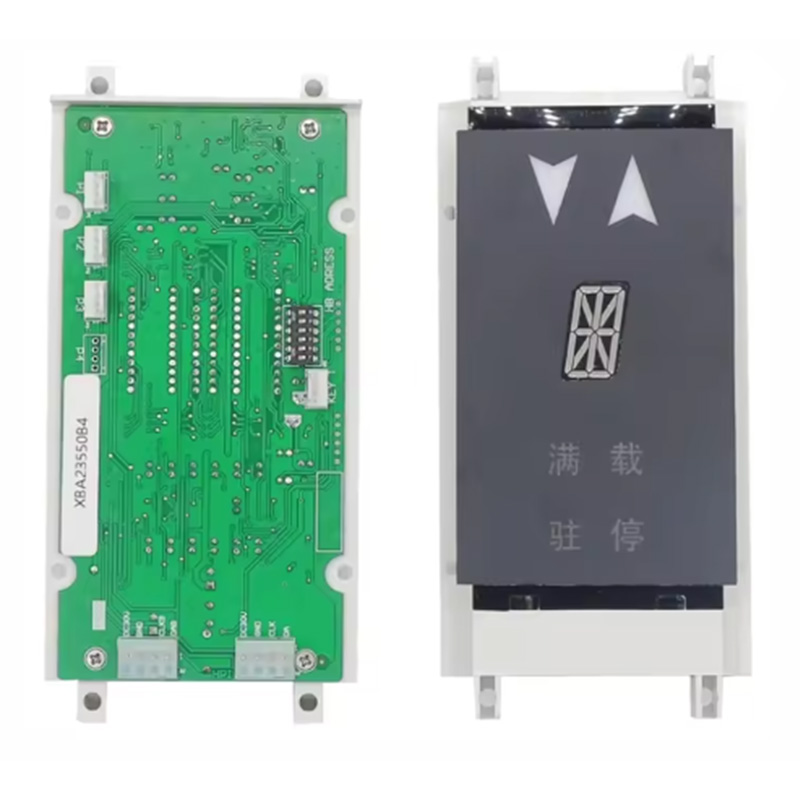
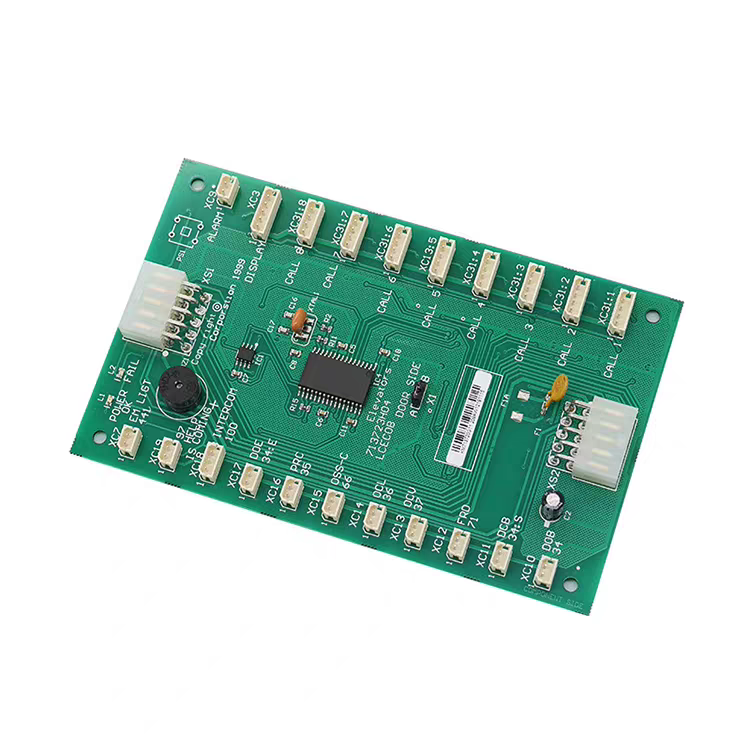
Elevator Pcb Application Winning in 2025
As we look to the future of elevator technology, 2025 promises to be a pivotal year for advancements in PCB applications. With the rise of smart cities and the growing demand for energy-efficient solutions, the integration of sophisticated printed circuit boards (PCBs) in elevator systems is expected to revolutionize the industry. These PCBs will not only enhance operational efficiency but also contribute to safer and more reliable vertical transportation. One of the key benefits of advanced PCB applications in elevators is the optimization of control systems. With improved communication interfaces and real-time data processing capabilities, modern elevators can reduce wait times and energy consumption significantly. The incorporation of sensors and IoT technology into PCB designs enables predictive maintenance, ensuring that potential issues are addressed proactively, thus minimizing downtime and enhancing user safety. Moreover, sustainability will be at the forefront of PCB innovations by 2025. The industry's shift towards eco-friendly materials and manufacturing processes reflects a commitment to reducing environmental impact. This transition will appeal to global buyers seeking sustainable solutions for their projects, making it essential for procurement strategies to align with these emerging trends. Investing in advanced PCB technology will not only keep pace with industry standards but also position businesses favorably in a competitively evolving marketplace.
Elevator PCB Application Winning in 2025
| Application Area | Expected Growth Rate (%) | Innovative Features | Key Technologies |
|---|---|---|---|
| Smart Elevators | 15% | IoT Connectivity, AI Optimization | Machine Learning, Data Analytics |
| Energy Efficiency | 20% | Regenerative Drives, Energy Monitoring | Power Electronics, Smart Grids |
| Safety Enhancements | 10% | Enhanced Emergency Systems, AI Surveillance | Computer Vision, Sensor Fusion |
| User Experience | 12% | Personalized Interfaces, Voice Control | Touchless Sensors, Voice Recognition |
| Maintenance Solutions | 18% | Predictive Maintenance, Remote Monitoring | IoT Platforms, Big Data |
Related Products
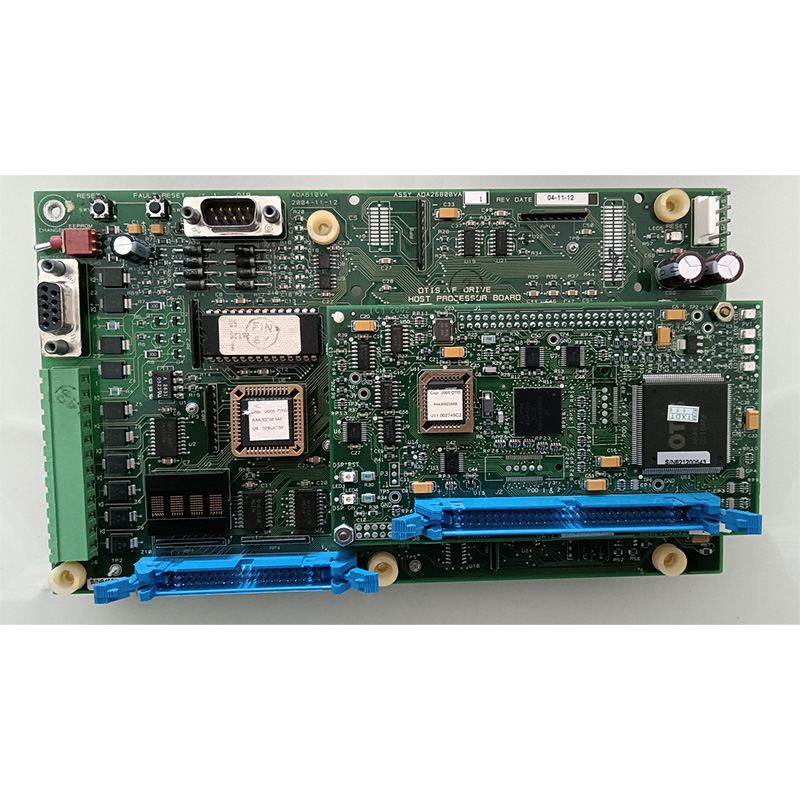
Elevator Pcb Dominates Now Trending
Top Selling Products
- Related Blog
- Reviews
- Reviews
